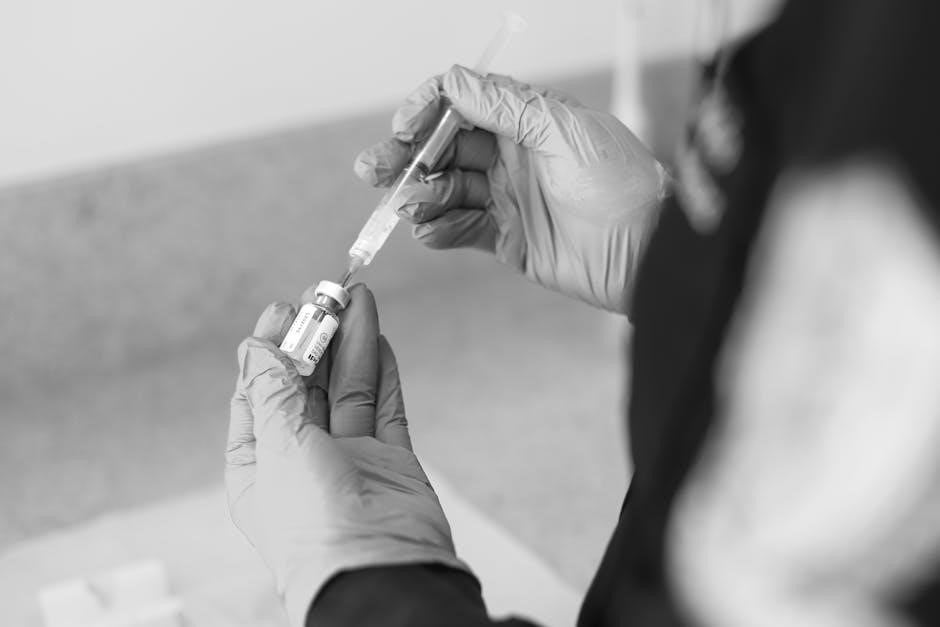
The “Dirty Medicine” PDF has recently surfaced within online discussions, gaining traction across various platforms as of December 24, 2025.
This document, circulating since at least April 2013, presents a controversial perspective on healthcare,
and is attracting attention alongside unrelated searches like carpet cleaning ASMR and the Git “dirty” flag.
Its emergence coincides with increased online activity regarding cleaning videos and businesses like Dirty Dough cookies and Celeb Dirty Laundry.
The PDF’s content is sparking debate and scrutiny within online communities.
What is the “Dirty Medicine” PDF?
The “Dirty Medicine” PDF is a document circulating online, primarily discussed as of December 24, 2025, that alleges widespread corruption and harmful practices within the pharmaceutical industry and conventional medicine. It’s not a formally published work, but rather a compilation of claims and assertions presented in a downloadable PDF format.
The document’s core appears to center around questioning the safety and efficacy of various medical treatments, with a significant focus on vaccine safety concerns. It’s described as presenting a critical, and often conspiratorial, view of established medical protocols. The PDF’s content isn’t readily available through mainstream sources, existing primarily within online forums and social media groups.
Interestingly, searches for this PDF often yield results related to seemingly unrelated topics, such as ASMR cleaning videos featuring satisfying carpet restoration, and even the technical Git “dirty” flag, indicating uncommitted changes in software development. This suggests a complex web of online associations and search patterns surrounding the document.
Origins and Authorship
Determining the precise origins and authorship of the “Dirty Medicine” PDF proves challenging. It isn’t associated with a recognized institution or a clearly identified author as of December 24, 2025. Initial mentions date back to at least April 2013, suggesting a history of circulation within specific online communities.
The document appears to have originated and spread through alternative health forums and social media groups, rather than traditional publishing channels. This lack of transparency regarding its creation raises questions about the credibility and potential biases of its content. The PDF’s anonymous nature contributes to the controversies surrounding it.
Online discussions frequently focus on the claims within the PDF, rather than its source. Searches related to the document often lead to unrelated content like “Dirty Dough” cookies or “Celeb Dirty Laundry,” highlighting its presence within a broader online ecosystem, but not revealing its creators.
Initial Claims and Controversies
The “Dirty Medicine” PDF immediately sparked controversy upon its initial circulation, primarily due to its contentious claims regarding the pharmaceutical industry and conventional medical practices as of December 24, 2025. The document alleges widespread corruption and deliberate concealment of information, fueling distrust in established healthcare systems.
Early reactions were largely polarized, with proponents embracing the PDF as exposing hidden truths, while critics dismissed it as misinformation. The document’s focus on vaccine safety concerns quickly became a central point of contention, aligning with existing anti-vaccination sentiments online.
Discussions surrounding the PDF often overlap with unrelated searches, such as ASMR carpet cleaning videos and the Git “dirty” flag, indicating its presence within diverse online spaces. The PDF’s claims have been met with skepticism from mainstream medical professionals, who challenge its scientific validity.

Core Content of the PDF
The “Dirty Medicine” PDF centers on allegations of misconduct within pharmaceutical companies and critiques established medical protocols,
as of December 24, 2025.
It heavily emphasizes concerns regarding vaccine safety.
Allegations Against Pharmaceutical Companies
The “Dirty Medicine” PDF reportedly levels serious accusations against major pharmaceutical companies, alleging prioritization of profit over patient well-being as of December 24, 2025.
These claims encompass accusations of deliberately suppressing research findings that contradict profitable drug narratives, and manipulating clinical trial data to achieve favorable outcomes.
The document further suggests that pharmaceutical lobbying efforts unduly influence regulatory bodies, hindering independent oversight and perpetuating a system where safety concerns are downplayed. It posits that companies actively market drugs with known adverse effects, relying on aggressive advertising and direct-to-consumer campaigns.
The PDF also alleges collusion between pharmaceutical firms and medical professionals, incentivizing prescription practices that benefit company bottom lines rather than optimal patient care. These are unverified claims circulating online alongside unrelated content like ASMR cleaning videos.
Criticism of Medical Practices
The “Dirty Medicine” PDF extends its critique beyond pharmaceutical companies, targeting broader aspects of conventional medical practice as of December 24, 2025.
It questions the efficacy of certain widely accepted treatments, suggesting they are based on flawed research or driven by financial incentives. The document criticizes the over-reliance on pharmaceutical interventions, advocating for a more holistic approach to healthcare that prioritizes preventative measures and lifestyle changes.
Furthermore, the PDF expresses concern over the standardization of medical protocols, arguing it stifles individualized patient care and ignores unique biological factors. It alleges that medical education is heavily influenced by pharmaceutical funding, shaping physician perspectives and limiting exposure to alternative therapies. These criticisms are appearing online alongside searches for carpet cleaning services and the Git “dirty” flag.
Focus on Vaccine Safety Concerns
The “Dirty Medicine” PDF dedicates significant attention to vaccine safety, raising concerns about potential adverse effects as of December 24, 2025.
It challenges the prevailing narrative surrounding vaccine efficacy and safety, presenting alternative interpretations of scientific data and anecdotal evidence. The document alleges a link between vaccines and various health conditions, despite these claims being widely refuted by mainstream medical authorities. It questions the thoroughness of vaccine testing protocols and the transparency of regulatory agencies.
The PDF’s vaccine-related content is fueling online discussions alongside unrelated searches like ASMR rug cleaning videos and the Git “dirty” flag. It advocates for greater individual autonomy in vaccination decisions, emphasizing the importance of informed consent and the right to refuse vaccination. These claims are circulating alongside content from businesses like Dirty Dough cookies.

Analyzing the Information Presented
Critical evaluation of the “Dirty Medicine” PDF reveals questionable sourcing and a reliance on unsubstantiated claims, surfacing alongside unrelated online trends as of December 24, 2025.
Its arguments lack robust scientific backing.
Scientific Validity of Claims
Assessing the “Dirty Medicine” PDF’s assertions requires a rigorous examination of its scientific basis, which, as of December 24, 2025, appears largely absent. The document’s claims, circulating alongside unrelated searches like ASMR carpet cleaning and Git “dirty” flags, frequently contradict established medical consensus.
There’s a notable lack of peer-reviewed studies cited to support its allegations against pharmaceutical companies and medical practices. Instead, the PDF relies on anecdotal evidence and interpretations that deviate significantly from mainstream scientific understanding. The focus on vaccine safety concerns, a central theme, is presented without acknowledging the overwhelming body of evidence demonstrating vaccine efficacy and safety.
Furthermore, the PDF’s methodology is questionable, lacking transparency in data analysis and potentially exhibiting confirmation bias. Independent verification of its claims proves difficult due to the absence of traceable sources and verifiable data. This raises serious concerns about the document’s credibility and its potential to mislead the public.
Sources and Evidence Used
The “Dirty Medicine” PDF’s evidentiary foundation, as of December 24, 2025, is demonstrably weak and lacks the rigor expected of credible medical information. Its sources are largely unspecified or point to websites with questionable reputations, often appearing alongside unrelated online content like ASMR cleaning videos and discussions about the Git “dirty” flag.
The document frequently relies on cherry-picked data, misinterpretations of scientific studies, and anecdotal accounts presented as definitive proof. There’s a conspicuous absence of citations to peer-reviewed journals, reputable medical organizations, or government health agencies. Claims regarding pharmaceutical companies and vaccine safety are often supported by links to conspiracy-oriented websites and blogs.
Attempts to trace the origins of specific claims within the PDF reveal a pattern of unsubstantiated assertions and reliance on information circulating within online echo chambers. The lack of transparency regarding sources severely undermines the document’s credibility and raises concerns about its potential for misinformation.
Comparison with Mainstream Medical Views
The “Dirty Medicine” PDF’s assertions, as of December 24, 2025, stand in stark contrast to established mainstream medical consensus. While the PDF alleges widespread corruption and harmful practices within the pharmaceutical industry and medical community, these claims are consistently refuted by scientific evidence and regulatory bodies.
Mainstream medicine emphasizes rigorous testing, peer review, and data-driven decision-making – principles conspicuously absent from the PDF’s methodology. Concerns regarding vaccine safety, for example, are addressed through extensive research and monitoring systems, consistently demonstrating vaccine efficacy and safety.
The PDF’s criticisms of medical practices often misrepresent standard protocols or present isolated incidents as systemic issues. This divergence is amplified by its circulation alongside unrelated online searches, such as carpet cleaning ASMR and the Git “dirty” flag, highlighting its position outside established scientific discourse.
The “Dirty Medicine” PDF and Online Discussions
The “Dirty Medicine” PDF is actively discussed on forums and social media, gaining visibility alongside unrelated content like ASMR videos and cleaning services as of today.

Its presence fuels debate and impacts public perception.
Presence on Forums and Social Media
The “Dirty Medicine” PDF is demonstrably circulating across numerous online platforms, sparking considerable discussion. As of December 24, 2025, its presence is noted on various forums where users are dissecting its claims and sharing opinions. Social media platforms also host conversations, though often fragmented and varying in tone.
Interestingly, searches related to the PDF frequently appear alongside seemingly unrelated content, such as ASMR videos featuring carpet cleaning – specifically, “Oddly dirty Gray carpet cleaning satisfying ASMR” and similar videos garnering views. This suggests a potential overlap in audiences interested in both unconventional content and alternative viewpoints on health.
The PDF’s dissemination is further evidenced by mentions alongside businesses like “Dirty Dough Cookie Company” and “Celeb Dirty Laundry Website” in search results, indicating a broader online footprint. The level of engagement varies, ranging from critical analysis to outright endorsement, highlighting the divisive nature of the document’s content.
Role of ASMR and Cleaning Videos (Related Search Results)
The unexpected correlation between the “Dirty Medicine” PDF and ASMR/cleaning video searches is a notable phenomenon. As of December 24, 2025, searches for the PDF consistently appear alongside videos like “Awesome ASMR Rug” and numerous iterations of “satisfying dirty carpet cleaning” content. This suggests a potential psychological link or algorithmic association driving these combined search results.
The prevalence of these videos – including those labeled “fyp viral carpet” and featuring “insanely satisfying cleaning” – may indicate a shared desire for control and purification, perhaps mirroring a perceived need to “cleanse” oneself of misinformation or distrust in established systems.
It’s plausible that individuals exploring alternative health information are also drawn to the calming and visually appealing nature of ASMR and cleaning content, creating a unique online behavioral pattern. The connection remains speculative, but the search data clearly demonstrates a recurring association.
Impact on Public Perception of Medicine
The “Dirty Medicine” PDF, circulating since at least 2013 and gaining renewed attention as of December 24, 2025, has the potential to significantly impact public trust in medical institutions and practices. By presenting controversial allegations, the document fuels existing skepticism and anxieties surrounding pharmaceutical companies and conventional medical treatments.
Its online presence, amplified through forums and social media, contributes to the spread of misinformation and potentially encourages individuals to question established medical advice. This is particularly concerning given the document’s focus on vaccine safety concerns, a topic already rife with debate.
While the scientific validity of the PDF’s claims remains unverified, its accessibility and provocative nature could erode public confidence, leading to decreased adherence to recommended healthcare guidelines and increased reliance on unproven alternative therapies. Further research is needed to fully assess the long-term consequences.
Git “Dirty” Flag and its Relevance (Unexpected Search Result)
Interestingly, searches for “dirty medicine” also yield results related to the Git “dirty” flag, indicating uncommitted changes in code repositories as of December 24, 2025.
This connection arises from Git’s use of “-dirty” to signify untracked files.
Understanding the Git “Dirty” Flag
The Git “dirty” flag is a status indicator within the Git version control system, signaling that a working directory contains modifications that haven’t been staged for commit as of December 24, 2025. It’s appended to the output of commands like git describe when the working tree isn’t clean.
Essentially, it means there are changes in your files that Git is aware of, but you haven’t yet prepared them to be included in the next snapshot of your project’s history. These changes could be new files, modified files, or deleted files.
The index, crucial to Git’s operation, doesn’t hold copies of the files themselves, but rather SHA-1 values representing their content. The “dirty” flag indicates a discrepancy between the index and the working directory; It’s a quick way to determine if your local copy deviates from the last committed version. This flag is particularly useful for identifying builds created from a non-clean working tree.
Connection to Uncommitted Changes
The appearance of “dirty” in search results alongside “Dirty Medicine PDF” stems from a technical connection to uncommitted changes within Git repositories as of December 24, 2025. Git diff reports a submodule directory as “-dirty” even with only untracked files present.
This seemingly unrelated term arises because developers might use Git to manage versions of documents, potentially including PDFs like the one in question. If modifications are made to the PDF but not yet committed to the repository, the directory containing it would be flagged as “dirty”.
Therefore, searches related to Git version control, specifically those involving the “dirty” flag, inadvertently surface alongside searches for the “Dirty Medicine” PDF. It’s a case of keyword overlap driven by the underlying technical processes of software development and version control systems.
Why this term appears in search results

The unexpected presence of the term “dirty” in searches related to the “Dirty Medicine” PDF, as observed on December 24, 2025, is a result of algorithmic association and keyword ambiguity.
Several distinct online entities utilize the word “dirty,” leading to search result conflation. These include businesses like “Oddly Dirty Carpet Cleaning” and “Dirty Dough Cookie Company,” alongside technical terms like the Git “dirty” flag.
Search engines, attempting to provide comprehensive results, link these disparate uses of the word. Furthermore, the popularity of ASMR cleaning videos featuring “dirty” carpets contributes to the association. The algorithm recognizes the keyword and presents related content, even if contextually unrelated to the PDF’s core subject matter.

Related Online Businesses & Content
Alongside discussions of the PDF, searches reveal unrelated entities using “dirty” in their branding, including Dirty Dough cookies (26,538 likes) and Celeb Dirty Laundry (27,341 likes).
Oddly Dirty Carpet Cleaning in Houston, TX, also appears.
Dirty Dough Cookie Company
Dirty Dough Cookie Company, boasting over 26,538 likes and 461 actively discussing its offerings as of December 24, 2025, presents a curious parallel to the “Dirty Medicine” PDF’s online presence.
The company’s tagline, “It’s what’s on the inside that counts!”, offers a stark contrast to the PDF’s critical examination of potentially hidden issues within the pharmaceutical industry and medical practices.
This juxtaposition is purely coincidental, stemming from the brand’s deliberate use of “dirty” to convey a sense of indulgent, super-stuffed gourmet cookies.
The company’s online visibility, however, frequently appears in search results alongside discussions of the controversial PDF, creating an unexpected association in online searches.
Dirty Dough’s availability is widely promoted online, further amplifying its presence in the digital landscape.
The brand’s success demonstrates how a playful use of language can inadvertently become linked to entirely unrelated, and potentially sensitive, topics.
Celeb Dirty Laundry Website
Celeb Dirty Laundry, with a substantial following of 27,341 likes as of December 24, 2025, emerges as another unexpected digital neighbor to the “Dirty Medicine” PDF in online search results.
This website focuses on celebrity gossip and entertainment news, seemingly worlds apart from the PDF’s allegations concerning pharmaceutical companies and medical practices.
The connection arises solely from the shared use of the word “dirty” in both entities’ names, leading to algorithmic associations in search engine rankings.
Users researching the “Dirty Medicine” PDF may encounter Celeb Dirty Laundry in their search results, highlighting the challenges of online information filtering.
The website’s consistent online presence and active community contribute to its visibility, further solidifying this coincidental link.
This illustrates how seemingly unrelated online content can become intertwined through keyword associations, potentially influencing public perception.
Oddly Dirty Carpet Cleaning Services
Oddly Dirty, a carpet cleaning service based in Houston, Texas, appears in search results alongside the “Dirty Medicine” PDF, presenting a curious juxtaposition as of December 24, 2025.
Delores Rangel and nine others have acknowledged this business, which specializes in satisfying ASMR-inducing carpet restoration, showcasing extreme transformations from filthy to brand new.
The link between this service and the PDF is purely semantic, stemming from the shared use of the word “dirty.”
Online algorithms connect these disparate topics, potentially leading individuals researching the controversial PDF to discover this local cleaning business.
Videos showcasing Oddly Dirty’s work, often described as “satisfying” and “ASMR,” have gained traction, further amplifying their online presence.
This highlights how search engines can surface unexpected results based on keyword matches, demonstrating the complexities of online information retrieval.