Mia & Sebastian’s Theme Sheet Music (Piano PDF): A Comprehensive Guide
Finding readily available piano PDF sheet music for “Mia & Sebastian’s Theme” is popular, with options for solo piano arrangements circulating online․
Numerous websites offer downloads, catering to various skill levels and preferences․
The Composer: Justin Hurwitz
Justin Hurwitz, the brilliant mind behind the enchanting score of La La Land, is an American composer, pianist, and conductor․ His work on the film, including the iconic “Mia & Sebastian’s Theme,” garnered widespread acclaim and numerous awards, solidifying his position as a leading figure in contemporary film music․
Hurwitz didn’t initially set out to write a jazz-infused score․ He and director Damien Chazelle, a longtime collaborator, aimed for a sound that evoked the Golden Age of Hollywood musicals while remaining fresh and modern․ The theme itself underwent several iterations, evolving from a simple piano melody into the complex and emotionally resonant piece we know today․
His compositional approach often involves a deep understanding of musical history and a willingness to experiment with different styles․ This is evident in “Mia & Sebastian’s Theme,” which seamlessly blends jazz harmonies, classical structures, and pop sensibilities․ The availability of piano sheet music reflects the piece’s accessibility and enduring popularity among musicians of all levels․ Hurwitz’s dedication to crafting memorable melodies and evocative soundscapes has made him a highly sought-after composer in the film industry․
Key and Time Signature Analysis
Analyzing “Mia & Sebastian’s Theme” reveals a primary key of A Major, a choice that lends itself to the piece’s optimistic yet melancholic character․ Many piano sheet music arrangements confirm this original key, though some simplified versions may transpose to more accessible keys for beginners․ The use of A Major allows for bright, resonant chords and melodic lines, contributing to the song’s overall emotional impact․
The time signature is predominantly 4/4, providing a stable and familiar rhythmic foundation․ However, subtle rhythmic variations and syncopation are woven throughout the piece, adding a layer of sophistication and jazz influence․ These nuances are crucial for capturing the song’s distinctive feel when playing from sheet music․
Understanding the harmonic progression is also key․ The piece features a cyclical structure, revisiting familiar chord changes and melodic motifs․ This repetition creates a sense of longing and nostalgia, mirroring the film’s themes of dreams and lost opportunities․ Examining the sheet music reveals frequent use of seventh chords and extended harmonies, characteristic of jazz composition․ Mastering these elements is essential for an authentic performance․
Availability of Free PDF Sheet Music
Numerous online resources offer free PDF sheet music for “Mia & Sebastian’s Theme,” though quality and accuracy can vary significantly․ Websites dedicated to free sheet music often host user-submitted arrangements, ranging from beginner-friendly simplified versions to more complex transcriptions mirroring the original piano solo․ A quick search reveals options catering to different skill levels․
However, it’s crucial to exercise caution when downloading free PDFs․ Some may contain errors, incomplete sections, or inaccurate notation․ Always preview the sheet music before committing to a full download, and compare it to recordings of the song to verify its accuracy․ Websites with larger communities and user reviews tend to offer more reliable transcriptions․
Several platforms specialize in piano sheet music and provide free samples or limited previews․ While complete, high-quality arrangements often require a purchase, these previews can help assess the suitability of a particular version․ Remember to respect copyright laws and consider supporting composers by purchasing legitimate sheet music when possible․ The availability is widespread, but discernment is key․
Popular Websites for Downloading the Sheet Music
Several websites consistently appear as popular destinations for downloading “Mia & Sebastian’s Theme” sheet music in PDF format․ Musicnotes․com is a well-known platform offering officially licensed arrangements, often with varying difficulty levels and accompaniment options, though typically requiring a purchase․ Sheetmusicplus․com similarly provides a vast catalog of sheet music, including options for this piece․
For free options, Musescore․com hosts a large community-driven library of user-submitted sheet music․ While quality varies, it’s a valuable resource for finding different arrangements and interpretations․ IMSLP (International Music Score Library Project), though primarily focused on public domain works, sometimes features arrangements of popular songs like this one․
Additionally, dedicated piano tutorial websites and forums often share or link to free sheet music resources․ Websites like The Piano Keys (mentioned in provided data) offer arrangements, and general music forums can be excellent places to discover shared resources․ Always check user reviews and preview the sheet music before downloading to ensure accuracy and suitability for your skill level․ Remember to be mindful of copyright considerations․
Sheet Music Difficulty Level: Beginner, Intermediate, or Advanced?
The difficulty of “Mia & Sebastian’s Theme” sheet music varies significantly depending on the arrangement․ Simplified versions, often labeled as “easy” or for “beginners,” typically focus on the core melody and utilize simpler chord progressions, omitting complex harmonies and embellishments․ These arrangements are suitable for pianists with limited experience, focusing on basic reading skills and hand coordination․
Intermediate arrangements maintain more of the original harmonic richness and introduce more complex rhythms and voicing․ They often include some of the characteristic jazz-influenced chords and require a greater understanding of musical expression․ These are ideal for players with a few years of piano experience․
Advanced arrangements, aiming for a faithful reproduction of Justin Hurwitz’s original composition, present a substantial challenge․ They demand proficient sight-reading skills, advanced technique, and a strong grasp of jazz harmony and improvisation․ These versions often include intricate runs, complex chord voicings, and nuanced dynamics․ The provided data references a 3-page arrangement by “The Piano Keys,” suggesting a potentially intermediate level of complexity․
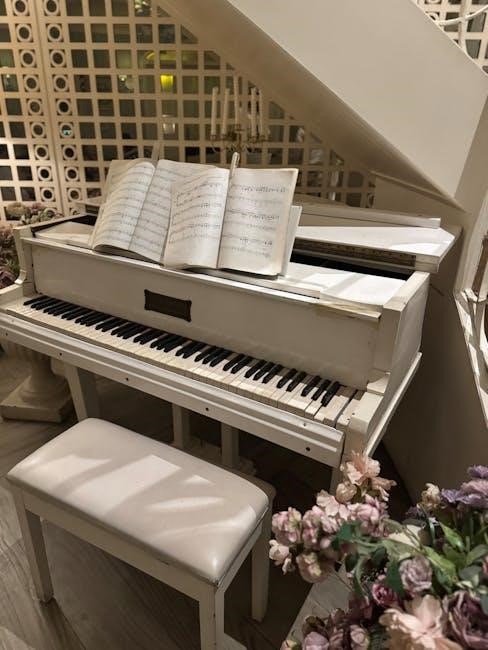
Understanding the Piano Solo Arrangement
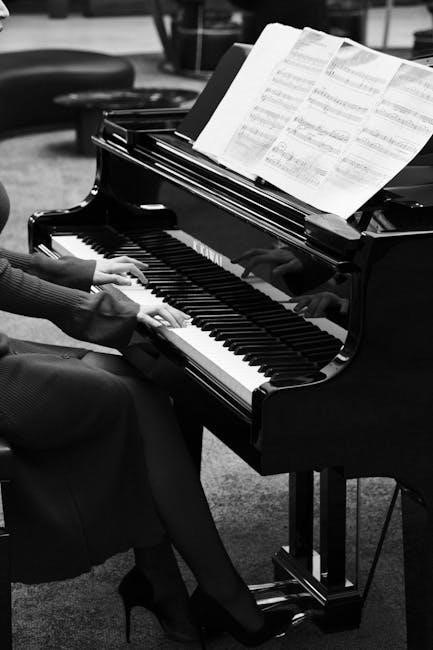
The piano solo arrangement of “Mia & Sebastian’s Theme” typically aims to capture the essence of the orchestral score within the constraints of a single instrument․ This often involves condensing harmonic layers and distributing melodic lines between the left and right hands․ Expect to encounter a blend of lyrical melodies in the right hand and supportive chordal accompaniment in the left․
Key features often include arpeggiated chords, creating a flowing, atmospheric texture reminiscent of the film’s romantic mood․ The arrangement frequently emphasizes the song’s melancholic beauty through expressive dynamics and rubato – a flexible tempo allowing for emotional phrasing․ Understanding the underlying harmonic progression, rooted in jazz influences, is crucial for interpreting the piece effectively․
Many arrangements, like the one noted as being copied by “Fred” and arranged by “The Piano Keys,” will span multiple pages, indicating a relatively complete adaptation of the theme․ Players should pay attention to pedal markings to sustain harmonies and create a seamless sound․ Successfully performing this solo arrangement requires balancing melodic clarity with harmonic depth, conveying the emotional narrative of the piece․
Variations in Sheet Music Arrangements (Easy vs․ Complex)
Sheet music for “Mia & Sebastian’s Theme” exists across a spectrum of difficulty, catering to diverse piano skill levels․ Easier arrangements often simplify the harmonic structure, reducing complex chords to more manageable voicings․ Melodic lines may be presented with fewer embellishments, and the left-hand accompaniment might be streamlined to basic chord progressions․
These simplified versions prioritize playability for beginners, focusing on the core melody and harmonic foundation․ Conversely, complex arrangements strive for greater fidelity to the original orchestral score․ They incorporate more intricate chord voicings, advanced techniques like passing chords and inversions, and a fuller, more textured accompaniment․
Advanced players can expect to encounter challenging passages requiring greater dexterity and musicality․ Some arrangements may include octave doubling, elaborate arpeggios, and subtle dynamic nuances․ The number of pages dedicated to the sheet music often correlates with its complexity; more detailed arrangements typically require more space to notate․ Choosing an arrangement aligned with your skill level is vital for a rewarding learning experience․
Copyright and Legal Considerations for Downloading PDFs
Downloading sheet music PDFs, including arrangements of “Mia & Sebastian’s Theme,” necessitates careful consideration of copyright law; Justin Hurwitz holds the copyright to the composition, and publishers control the rights to specific arrangements․ Obtaining sheet music through unauthorized channels – such as websites offering free downloads without permission – constitutes copyright infringement․
While many websites claim to offer “free” sheet music, these often operate in a legal gray area or outright violate copyright regulations․ Legitimate sources typically require a purchase or subscription․ Supporting official channels ensures composers and publishers receive compensation for their work, fostering continued musical creativity․
Before downloading any PDF, verify the source’s legitimacy and licensing agreements․ Look for arrangements explicitly authorized for distribution․ Consider purchasing from reputable music retailers or directly from publishers; Using illegally obtained sheet music carries potential legal risks, and it undermines the rights of the copyright holder․ Respecting intellectual property is crucial within the musical community․
Using the Sheet Music for Learning Purposes
The piano sheet music for “Mia & Sebastian’s Theme” serves as an excellent resource for pianists of varying skill levels aiming to learn and master this iconic piece․ Begin by carefully studying the score, paying attention to key signatures, time signatures, and dynamic markings․ Familiarize yourself with the melodic and harmonic structure before attempting to play․
Start with a slower tempo to ensure accuracy and gradually increase the speed as your proficiency grows․ Break down complex passages into smaller, manageable sections, practicing each individually before combining them․ Utilize online resources, such as piano tutorials and lessons, to supplement your learning and gain insights into proper technique․
Focus on developing a nuanced interpretation, capturing the emotional depth and lyrical quality of the music․ Pay attention to phrasing, articulation, and pedaling to enhance the expressiveness of your performance․ Consistent practice and a dedicated approach will enable you to effectively utilize the sheet music and bring this beautiful composition to life on the piano․
Techniques for Mastering the Piece on Piano
Successfully mastering “Mia & Sebastian’s Theme” requires a focused approach to piano technique․ Begin by practicing scales and arpeggios in the key of A Major to build finger dexterity and familiarity with the harmonic landscape․ Pay close attention to chord voicings and inversions, ensuring smooth transitions between them․
Develop a consistent rhythm and utilize a metronome to maintain accurate timing․ Focus on legato playing to achieve the lyrical quality of the melody, and practice staccato passages with precision․ Pay attention to dynamic contrasts, gradually building from soft passages to powerful climaxes․
Employ practice strategies like hands-separate practice to isolate and refine each hand’s part before combining them․ Utilize slow practice to identify and correct errors, and gradually increase the tempo as your accuracy improves․ Finally, record yourself playing and critically evaluate your performance, identifying areas for further refinement and improvement․ Consistent, deliberate practice is key to unlocking the full potential of this beautiful piece;
Common Challenges and How to Overcome Them
Many pianists encounter specific challenges when learning “Mia & Sebastian’s Theme․” A frequent hurdle is the piece’s emotional depth, requiring nuanced phrasing and dynamic control․ Beginners may struggle with the chord progressions and inversions, demanding dedicated practice to build finger strength and coordination․
Another common issue is maintaining a consistent tempo, particularly during more complex passages․ Utilizing a metronome and practicing slowly are crucial for overcoming this․ Some find the legato passages demanding, requiring focused attention on smooth transitions between notes․
To address these difficulties, break down the piece into smaller sections, mastering each before combining them․ Focus on accurate rhythm and consistent dynamics․ Don’t hesitate to simplify sections initially, gradually adding complexity as your skills improve․ Seek guidance from a piano teacher or utilize online tutorials for personalized feedback․ Remember, patience and persistent practice are essential for conquering these challenges and bringing the beauty of the theme to life․
The Role of the Theme in the Film’s Narrative
“Mia & Sebastian’s Theme” isn’t merely a beautiful melody; it’s the emotional core of La La Land, evolving and recurring throughout the film to represent the protagonists’ evolving relationship and individual aspirations․ Initially presented as a hopeful, romantic piano piece, it underscores their burgeoning connection and shared dreams․
As the narrative progresses, the theme undergoes variations – sometimes joyful, sometimes melancholic – mirroring the characters’ triumphs and setbacks․ Its fragmented reappearances, often in minor keys, symbolize lost opportunities and the sacrifices made in pursuit of artistic fulfillment․ The sheet music itself, therefore, represents more than just notes on a page; it embodies the film’s central themes of love, ambition, and compromise․
The theme’s final, poignant rendition serves as a powerful reflection on “what could have been,” encapsulating the bittersweet reality of their separate paths․ Learning to play the piece on piano allows musicians to connect with the film’s emotional depth on a profound level, understanding its narrative power through musical interpretation․
Mia’s Art Collection and its Connection to the Film
While the film La La Land centers on music, Mia’s passion for visual art provides a crucial parallel to Sebastian’s dedication to jazz․ This connection is reflected in the Minneapolis Institute of Art (Mia)’s extensive collection, which, like Mia’s artistic aspirations, represents a pursuit of beauty and self-expression․
Exploring Mia’s collection online offers a fascinating glimpse into the world that inspires the character․ The museum’s rotating exhibits, currently featuring “An Indigenous Art: Huipiles from Mia’s Collection” (February 14 – August 2, 2026), “Year of the Horse” (February 17 – August 30, 2026), and “Modern Art and Politics in Germany” (March 7 – July 19, 2026), showcase diverse artistic visions․
Interestingly, the availability of “Mia & Sebastian’s Theme” sheet music allows aspiring pianists to embody the film’s creative spirit, much like Mia embodies the spirit of an artist․ The museum’s 360-degree images and zoom views offer a virtual experience mirroring the immersive quality of learning and performing the music․ Discovering art and music, both are pathways to emotional resonance․
Current Exhibitions at Mia (as of 02/11/2026)
As of today, February 11, 2026, the Minneapolis Institute of Art (Mia) presents a vibrant array of exhibitions, offering enriching experiences alongside the emotional resonance found in pieces like “Mia & Sebastian’s Theme․” These displays, much like mastering the piano sheet music, require dedication and appreciation for artistic expression․
Currently on view is “An Indigenous Art: Huipiles from Mia’s Collection,” running until August 2, 2026․ This exhibition showcases intricate textile art, demonstrating a commitment to cultural preservation․ “Year of the Horse: Hoofbeats through Time” (February 17 – August 30, 2026) explores equine representation across cultures, mirroring the film’s exploration of dreams and journeys․
Furthermore, “Modern Art and Politics in Germany 1910-1945: Masterworks from the Neue Nationalgalerie, Berlin” (March 7 – July 19, 2026) delves into the intersection of art and societal upheaval․ “Belonging Begins Here” is also currently running․ Like learning the complexities of the piano arrangement, these exhibits invite viewers to engage with layers of meaning․ Mia’s rotating collection ensures a constantly evolving artistic landscape, much like the interpretations of the beloved theme․
Art in Bloom: Floral Interpretations at Mia
Mia’s annual “Art in Bloom” exhibition, a captivating event, presents a unique synergy between floral artistry and the museum’s permanent collection․ Much like the delicate balance required to play “Mia & Sebastian’s Theme” on piano, this event showcases precision and creative interpretation․ Over 100 florists contribute imaginative displays, transforming the galleries into a vibrant, fragrant landscape․
This year’s iteration, free and open to the public, features floral interpretations of selected artworks, prompting viewers to see familiar pieces in a new light․ The event encourages a deeper engagement with art, mirroring the dedication needed to master the piano sheet music․ Each floral arrangement acts as a response to the artwork it accompanies, creating a dialogue between different artistic mediums․

The exhibition’s ephemeral nature – the flowers will naturally evolve and change throughout its run – adds to its allure, reminding us of the transient beauty found in both art and music; Just as a pianist brings their own emotion to the piece, each florist infuses their arrangement with personal expression․ It’s a celebration of creativity, mirroring the spirit of “La La Land” and its iconic theme․
Mia Membership Benefits & Discounts
Becoming a Mia member unlocks a world of benefits, enhancing your experience beyond simply accessing the museum’s renowned collection – a collection as diverse and captivating as the notes within “Mia & Sebastian’s Theme” sheet music․ Members receive exclusive access to previews of new exhibitions, allowing for a more intimate encounter with art, much like practicing a challenging piano piece in solitude․
Currently, Mia members enjoy a 20% discount on exhibition tickets, including special exhibits like “Year of the Horse” and “Modern Art and Politics in Germany․” This discount extends to programs and events, offering cost-effective opportunities to deepen your artistic appreciation․ Think of it as investing in your creative journey, similar to purchasing high-quality sheet music for dedicated practice․
Beyond financial savings, membership provides invitations to members-only events, fostering a community of art enthusiasts․ Members also receive discounts at the Mia shop and café, completing a well-rounded museum experience․ Supporting Mia through membership directly contributes to the preservation and presentation of art, ensuring future generations can enjoy its beauty, just as the legacy of “La La Land” continues to inspire․
Resources for Piano Tutorials and Lessons
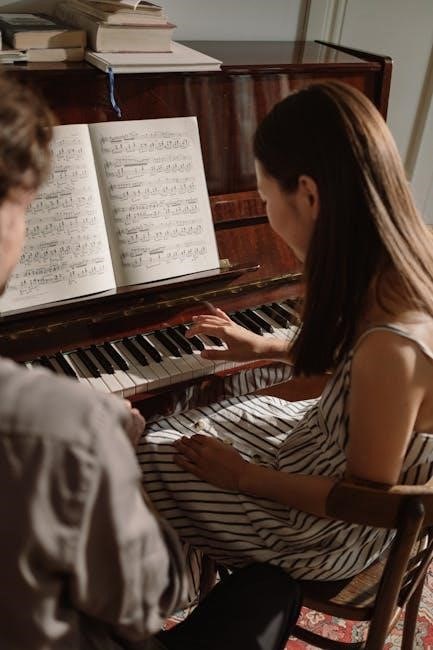
Mastering “Mia & Sebastian’s Theme” from the “La La Land” soundtrack requires dedication, and numerous online resources can aid your piano journey․ For beginners tackling the sheet music PDF, platforms like YouTube offer a wealth of free tutorials, breaking down the piece into manageable sections․ Search for “Mia and Sebastian’s Theme piano tutorial” to discover various interpretations and learning styles․
Intermediate and advanced pianists might benefit from structured online courses․ Websites such as Flowkey and Skoove provide interactive lessons, offering feedback on your playing and guiding you through the complexities of the arrangement․ These platforms often feature song-specific tutorials, potentially including “Mia & Sebastian’s Theme․”
Alternatively, consider private piano lessons․ A qualified instructor can provide personalized guidance, addressing your specific challenges and helping you refine your technique․ Many instructors offer online lessons, expanding your access to expert instruction․ Remember to practice consistently, utilizing the sheet music PDF as your guide, and embrace the emotional depth of this beautiful piece․