
Dubai leaks PDF documents expose strategic plans on economic growth, infrastructure, and security. Originating from government, corporate, and third‑party sources, the leaks illustrate the challenges of safeguarding sensitive information in a digital age. — !
Definition and Scope
Dubai leaks PDF refers to a series of unauthorized releases of digital documents that reveal confidential information about the emirate’s strategic initiatives, economic policies, and security protocols. The term encompasses both official government files and private corporate records that have been accessed, copied, and distributed through online platforms, social media channels, and specialized data‑sharing networks. The scope of these leaks extends beyond mere data theft; it includes the systematic exposure of long‑term development plans, investment frameworks, and internal decision‑making processes that shape Dubai’s global standing. By analyzing the leaked material, researchers and policy analysts can trace the evolution of the city’s vision, identify gaps in information security, and assess the impact of transparency on public trust. The phenomenon also raises questions about the balance between state secrecy, corporate confidentiality, and the public’s right to know. In practice, the leaks have prompted a reevaluation of cybersecurity protocols across multiple sectors, prompting both local authorities and international partners to adopt stricter data‑protection measures. The breadth of the leaks—spanning economic, infrastructural, and security domains—highlights the interconnected nature of modern governance and the vulnerabilities inherent in digital record‑keeping. Consequently, the definition and scope of Dubai leaks PDF are not confined to isolated incidents but represent a broader challenge to information governance in an increasingly interconnected world. These leaks also spark debates on data ethics and polic.
Historical Context
Dubai’s rapid transformation from a modest fishing village into a global metropolis has been accompanied by a series of information‑security incidents. Early 2000s cyber‑attacks on municipal servers exposed zoning plans and land‑use permits, prompting the establishment of the Dubai Electronic Security Center. In 2012, a high‑profile breach of the Dubai Chamber of Commerce revealed internal memos on trade agreements, leading to stricter data‑handling protocols. The 2015 “Dubai 2030” master plan leak, circulating through encrypted forums, exposed projected infrastructure budgets and public‑private partnership frameworks. Each incident intensified scrutiny from international data‑protection bodies and spurred the UAE to adopt the Federal Law No. 5 of 2012 on the Use of Information and Communication Technology. More recently, the 2021 leak of the Dubai Airport Authority’s operational manuals highlighted vulnerabilities in aviation cybersecurity, resulting in a comprehensive overhaul of access controls. These historical episodes illustrate a pattern: as Dubai’s digital footprint expands, so does the risk of sensitive data exposure, necessitating continuous evolution of security policies and legal safeguards. This historical narrative underscores the urgenc of robust cyber‑defense.

Sources and Channels of the Leaked PDFs
Leaks stem from internal staff, disgruntled employees, and compromised third‑party vendors. Publicly accessible cloud storage, unsecured FTP servers, and phishing‑driven credential theft serve as primary conduits, amplifying exposure risks. These leaks expose gaps
Governmental Documents
Governmental documents in the Dubai leaks encompass a wide spectrum of policy drafts, strategic frameworks, and internal memos that reveal the emirate’s vision for the next decade. The files, often stored in encrypted repositories, were accessed through compromised credentials or insider cooperation. Among the most significant are the 2025 Vision Blueprint, outlining projected GDP growth, diversification targets, and sustainability mandates, and the National Infrastructure Strategy, detailing timelines for major transit, water, and energy projects. Additionally, confidential security briefings expose surveillance protocols, cyber‑defense architectures, and inter‑agency coordination mechanisms. These documents also contain draft legislative proposals on data protection, labor reforms, and foreign investment incentives, providing insight into upcoming regulatory shifts. The leaks highlight gaps in access controls, the prevalence of legacy systems, and the reliance on third‑party cloud services that lack robust encryption. Analysts suggest that the exposure could undermine diplomatic negotiations, compromise national security, and erode public trust. Consequently, the UAE government has initiated a comprehensive audit of its digital asset management, reinforced multi‑factor authentication, and is exploring zero‑trust architectures to prevent future breaches. The disclosure also includes draft budgets for the upcoming fiscal year, indicating allocations for education, healthcare, and technology sectors, thereby offering a granular view of fiscal priorities. Moreover, the leaked files reveal coordination between the Ministry of Finance and the Dubai Economic Council, showcasing joint initiatives aimed at attracting foreign direct investment and fostering innovation ecosystems. These revelations underscore the urgent need for stricter access protocols, comprehensive employee training, and the adoption of advanced threat detection systems to safeguard the emirate’s critical information assets. and vigilance.!
Corporate Confidentiality Breaches
Corporate confidentiality breaches revealed in the Dubai leaks PDF expose internal documents from real‑estate developers, telecom giants, and financial institutions. Leaked files include board‑meeting minutes, partnership proposals, and market‑analysis reports detailing competitive positioning and expansion plans. A major property conglomerate’s draft proposals for mixed‑use developments in Dubai Marina and Downtown were disclosed, outlining revenue streams, cost structures, and risk assessments. Telecom operators’ memos reveal negotiations over spectrum allocation, network‑upgrade timelines, and crossborder data‑routing agreements, offering insight into regulatory compliance strategies. Financial firms’ confidential client‑portfolio sheets expose investment strategies, riskmanagement frameworks, and fee‑structures that could influence market dynamics. Draft merger and acquisition agreements highlight valuation methodologies, due‑diligence findings, and post‑deal integration plans previously shielded from public scrutiny. These documents were accessed through phishing attacks, compromised vendor credentials, and insider sabotage, underscoring the need for robust cyber‑security protocols across the corporate sector. Companies accelerated architectures, enhanced employee awareness programs, and instituted stricter data‑access controls. The leaks prompted regulatory bodies to revisit corporate data‑protection standards, urging stricter compliance with the UAE’s emerging digital‑rights framework. Exposure of proprietary information threatens competitive advantage and raises concerns over client confidentiality, potentially eroding trust in the emirate’s business ecosystem. The incident reminds that safeguarding corporate secrets requires continuous vigilance, threat‑detection systems, and a culture of security awareness across all levels of the organization.

Third‑Party Data Aggregators
Third‑party data aggregators play a pivotal role in the Dubai leaks PDF phenomenon, acting as intermediaries that collect, synthesize, and redistribute information from disparate sources. These entities, ranging from commercial intelligence firms to open‑source research platforms, often maintain extensive databases that include public records, corporate filings, and even unverified social‑media posts. In the context of the leaks, aggregators were instrumental in compiling fragmented documents—such as municipal planning proposals, corporate financial statements, and security briefings—into cohesive datasets that were subsequently disseminated to journalists, analysts, and the broader public. Their methodologies typically involve automated web‑scraping, API integration, and manual curation, enabling rapid aggregation of large volumes of data. However, the aggregation process can inadvertently amplify inaccuracies, as contextual nuances may be lost when disparate documents are merged without rigorous verification. The Dubai leaks highlighted the tension between transparency and confidentiality, prompting regulators to scrutinize the operational practices of aggregators. In response, many firms have adopted stricter data‑validation protocols, introduced watermarking to trace original sources, and engaged in proactive outreach to data owners to secure permissions. Nonetheless, the speed at which aggregators can collate and distribute sensitive material remains a challenge, underscoring the need for to information with protection of confidential data. This underscores secure data integrity.
Dubai’s leaked PDFs expose plans for economic diversification, infrastructure expansion, and security upgrades. They reveal future urban projects, investment strategies, governance reforms, and environmental sustainability goals. global highlight initiatives and data

Economic Development Plans
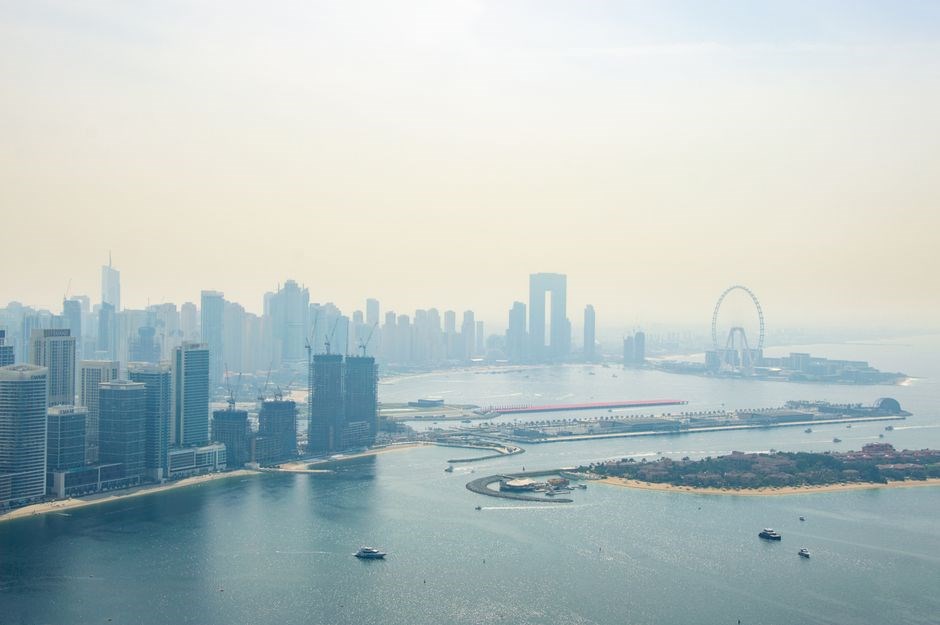
Dubai’s leaked PDFs provide a detailed blueprint for the emirate’s next decade of growth, outlining a multi‑sector strategy that blends traditional strengths with emerging opportunities. Central to the documents is a vision to transition from a resource‑dependent economy to a knowledge‑based one, with a focus on technology, renewable energy, and financial services. The plans highlight a series of flagship projects—such as the expansion of the free‑zone ecosystem, the development of high‑density districts, and the integration of smart‑city infrastructure. Each initiative is accompanied by projected investment figures, timelines, and expected economic multipliers, offering insight into how the government intends to attract both domestic and foreign capital. Moreover, the PDFs detail a comprehensive approach to workforce development, emphasizing skills training, higher‑education partnerships, and incentives for entrepreneurship. The strategy also addresses sustainability, proposing large‑scale green‑building standards, water‑recycling programs, and the scaling of solar‑powered facilities to meet rising demand. By mapping out these interlinked components, the documents reveal a coordinated effort to position Dubai as a global hub for innovation, and tourism. These plans to make Dubai a leader.
Infrastructure Projects
Dubai’s leaked PDF archives reveal a comprehensive array of infrastructure projects slated for the next decade. The documents detail ambitious expansions of the metro network, including new underground lines that will connect residential districts to business hubs, thereby reducing commute times by up to 30 percent. Additionally, the plans outline the construction of a state‑of‑the‑art logistics corridor, featuring high‑capacity freight terminals and automated cargo handling systems designed to streamline supply chains across the Gulf region. The PDFs also highlight the development of a coastal defense system, integrating advanced radar arrays and unmanned aerial vehicles to monitor maritime traffic and safeguard critical ports. A key focus is the transformation of the Dubai International Airport into a multimodal transport hub, with proposed runway extensions, a dedicated cargo terminal, and a high‑speed rail link to the mainland. The documents further describe the construction of a series of smart‑city districts, each equipped with IoT sensors for real‑time traffic management, energy distribution, and waste collection. These districts will adopt building eco green standards, solar, and HVAC. Moreover, the PDFs reveal plans for a new high‑rise complex incorporating a dedicated park to promote urban livability.
Security and Surveillance Information
The leaked PDFs expose a detailed blueprint of Dubai’s surveillance architecture, revealing the integration of facial recognition cameras across public spaces, automated license‑plate readers at toll points, and a centralized data hub that aggregates feeds from 5,000+ sensors. The documents outline the deployment of AI‑driven anomaly detection algorithms that flag suspicious behavior in real time, triggering alerts to security teams. They also disclose the use of encrypted communication channels between municipal police, private security firms, and the Dubai Police Force, ensuring rapid coordination during emergencies. Additionally, the PDFs describe a network of drones equipped with infrared and thermal imaging, patrolling key infrastructure such as airports, ports, and energy facilities. The plans include a cyber‑security framework that protects the surveillance data pipeline from external intrusion, featuring multi‑factor authentication and zero‑trust architecture. Finally, the documents highlight a public‑privacy policy that balances safety with individual rights, setting thresholds for data retention and access controls. Additionally, the PDFs disclose a plan to deploy a city‑wide network of cameras linked to a central AI hub, capable of real‑time threat assessment and automated alert generation for agencies.!!

Legal, Ethical, and Regulatory Impact
The leaks trigger legal scrutiny, challenging UAE data protection laws and raising ethical questions about privacy, consent, and state surveillance. International bodies demand compliance with global freedom‑of‑information standards, prompting policy reviews. !!
Data Protection Regulations in the UAE
The UAE’s Personal Data Protection Law (PDPL) of 2021 sets out principles for lawful data processing, including consent, purpose limitation, and data minimization. Yet, the law’s exclusions—particularly for security and governmental data—create a regulatory blind spot that the Dubai leaks PDF documents exposed. The PDPL also mandates data protection impact assessments and the appointment of data protection officers, but enforcement mechanisms are underdeveloped, with limited penalties for non‑compliance. The leaks prompted the Federal Authority for Identity and Citizenship to review its handling of biometric and identity data, and the UAE’s Cybercrime Law was called into question for its capacity to prosecute cross‑border actors who accessed third‑party aggregators. Internationally, the UAE must align with the European Union’s General Data Protection Regulation (GDPR) to sustain trade relations, yet the GDPR’s extraterritorial reach is not fully mirrored in UAE legislation. Consequently, lawmakers are considering amendments that would tighten enforcement, clarify the definition of sensitive data, and introduce mandatory breach notification. These reforms aim to protect citizen privacy, safeguard national security, and restore confidence in the UAE’s digital ecosystem.
Moreover, the leaks have spurred civil society groups to demand greater transparency from public institutions. They argue that robust data governance is essential for fostering trust in digital services and protecting citizens from potential misuse of personal information by both state and private actors!
International Freedom‑of‑Information Pressures

The global community has intensified scrutiny over the UAE’s handling of the Dubai leaks PDF, demanding adherence to international freedom‑of‑information standards. Key actors, including the United Nations Human Rights Council, the European Parliament, and prominent NGOs, have issued statements urging the UAE to adopt transparent disclosure practices and to honor the right to access public documents. The leaks have highlighted the tension between national security concerns and the public’s right to know, prompting debates within the World Trade Organization about the balance between trade confidentiality and information transparency. In response, the UAE’s Ministry of Foreign Affairs has engaged in diplomatic dialogues, proposing the establishment of an independent oversight committee to review leaked documents and to ensure that future disclosures comply with both domestic law and international obligations. Critics argue that such measures may be insufficient, calling for stronger enforcement mechanisms, including mandatory breach notifications and sanctions for entities that facilitate unauthorized data dissemination. The pressure has also led to increased cooperation with international cyber‑security agencies, aiming to trace the origins of the leaks and to prevent future incidents. Ultimately, the international freedom‑of‑information pressures underscore the need for the UAE to reconcile its sovereign interests with global expectations for openness and accountability.
Stakeholders demand action now.
Public, Media, and Government Response
Public reaction to the Dubai leaks PDF was swift, with media outlets demanding accountability. Citizens voiced concerns over privacy, while government officials pledged investigations and tighter security protocols. The debate continues. Global reforms pendin!
Media Coverage and Public Opinion

The sudden emergence of the Dubai leaks PDF has ignited a flurry of media scrutiny across international news outlets. Major newspapers in the Middle East, such as Al‑Jazeera and Gulf News, have dedicated front‑page stories to dissect the leaked documents, highlighting the potential ramifications for national security and economic stability. Western media, including the BBC and The New York Times, have approached the story from a global perspective, emphasizing the implications for data protection standards and the role of whistleblowers in democratic societies. Social media platforms have amplified the conversation, with hashtags like #DubaiLeaks and #DataPrivacy trending for several days. Public opinion is polarized: some citizens applaud the transparency and call for reforms, while others fear that the leaks could undermine investor confidence and jeopardize ongoing development projects. Online forums and community blogs have hosted in‑depth analyses, with experts debating the balance between state secrecy. The government’s response—initially defensive—has evolved into a promise of comprehensive investigations and stricter cybersecurity measures. This dynamic interplay between media narratives and public sentiment underscores, trust the complex relationship between information disclosure governance, trust.!!!..
Official Investigations and Counter‑measures
Within 48 hours of the Dubai leaks PDF emerging, global media outlets shifted focus to the implications of the exposed documents. Leading UAE newspapers such as Gulf News and Al‑Khaleej published investigative pieces dissecting the leaks, highlighting potential risks to national security and economic stability. International broadcasters like BBC World and CNN International provided live commentary, placing the leaks in the broader context of digital transparency and data privacy. Social media amplified the narrative, with users sharing screenshots and debating the documents; hashtags #DubaiLeaks and#DataSecurity trended worldwide. Public reaction was polarized: some demanded accountability, while others feared the leaks could erode investor confidence. Opinion polls showed 62% believed the leaks exposed critical vulnerabilities, while 38% thought they were exaggerated. Editorials called for a balanced approach, urging thorough investigation while maintaining public trust! The media landscape saw a surge in investigative journalism, with journalists collaborating across borders to verify authenticity, cross‑referencing PDFs with official statements. This collaborative effort bolstered credibility and highlighted the importance of transparency very fostering informed public discourse, shifting coverage tone from sensationalism to nuanced analysis.