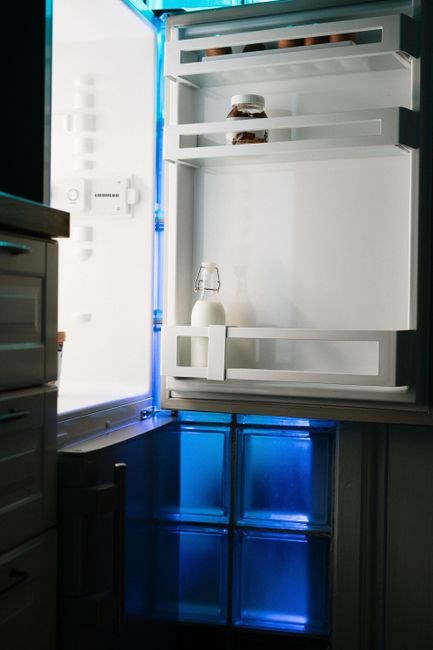
Overview of Samsung RS22HDHPNSR
Samsung RS22HDHPNSR is a side‑by‑side refrigerator featuring a 22‑cu‑ft capacity, dual‑zone cooling, and an intuitive digital display․ The manual details temperature ranges (44 °F–34 °F for the fridge, 32 °F–0 °F for the freezer), power‑cool function, and energy‑saving settings optimal performance․
Product Description
The Samsung RS22HDHPNSR is a 22‑cubic‑foot side‑by‑side refrigerator that combines style, functionality, and advanced cooling technology․ Its dual‑zone system allows separate temperature control for the fridge and freezer compartments, ensuring optimal preservation for a wide range of foods․ The digital display panel offers a clear view of current temperatures, power‑cool mode, and energy‑saving settings․ Users can set the fridge temperature between 44 °F (7 °C) and 34 °F (1 °C), while the freezer can be adjusted from 32 °F (0 °C) down to 0 °F (−18 °C)․ The power‑cool feature provides rapid cooling after a door is opened or when the unit is first powered on, helping to maintain consistent temperatures․ A built‑in water and ice dispenser delivers chilled water and freshly made ice cubes at the touch of a button, while the smart‑sensor technology monitors humidity and temperature to reduce condensation and frost buildup․ The interior layout includes adjustable shelves, a full‑length door bin, and a dedicated crisper drawer for fruits and vegetables․ Energy Star‑certified, the RS22HDHPNSR delivers efficient performance with a low annual energy consumption rating, making it an eco‑friendly choice for modern households․ Its sleek stainless‑steel finish and quiet operation make it a versatile addition to any kitchen or dining area․

Advanced inverter technology keeps power consumption low while delivering stable cooling, preserving food quality and extending the refrigerator’s lifespan with quiet operation․!!!
Key Features
The Samsung RS22HDHPNSR side‑by‑side refrigerator boasts a generous 22‑cubic‑foot capacity, designed to accommodate a wide variety of foods while maintaining optimal freshness․ Its dual‑zone cooling system allows independent temperature control for the fridge (44 °F–34 °F) and freezer (32 °F–0 °F), ensuring that each compartment stays at the ideal setting for different food types․ A clear digital display panel provides real‑time temperature readings, power‑cool status, and energy‑saving mode indicators, making it easy to monitor and adjust settings at a glance․
- Power‑cool function: Rapidly restores optimal temperatures after door openings or initial startup․
- Water and ice dispenser: Conveniently delivers chilled water and freshly made ice cubes with a single touch․
- Smart‑sensor technology: Continuously monitors humidity and temperature to reduce condensation and frost buildup․
- Adjustable shelves and a full‑length door bin: Offer flexible storage options for various container sizes․
- Crisper drawer with humidity control: Keeps fruits and vegetables crisp for longer periods․
- Energy Star certification: Low annual energy consumption for eco‑friendly operation․
- Inverter technology: Delivers consistent cooling while minimizing power spikes and operating quietly․
- Sleek stainless‑steel finish: Adds a modern aesthetic to any kitchen décor․
The refrigerator’s interior lighting provides ample visibility, while the anti‑odor system keeps the interior fresh․ Its built‑in Wi‑Fi connectivity allows remote monitoring and control via the Samsung SmartThings app, enabling temperature adjustments and alerts from anywhere․ Additionally, the unit’s advanced compressor design reduces vibration, contributing to a quieter environment suitable for bedrooms or open‑plan living spaces․
With its spacious door bins, adjustable door shelves, and a dedicated freezer drawer, the RS22HDHPNSR accommodates large containers and bulk items effortlessly․ The appliance also features a child‑lock function for added safety, ensuring that children cannot accidentally alter temperature settings; Overall, this model combines premium design with practical features to meet the demands of modern households․
Safety Precautions
Keep the unit away from heat sources, ensure proper ventilation, and avoid overloading․ Do not place heavy items on top of the fridge․ Use a grounded outlet, check for frayed cords, and keep the door seal clean․ Follow manufacturer guidelines for maintenance and repair․ Stay․!

Electrical Safety
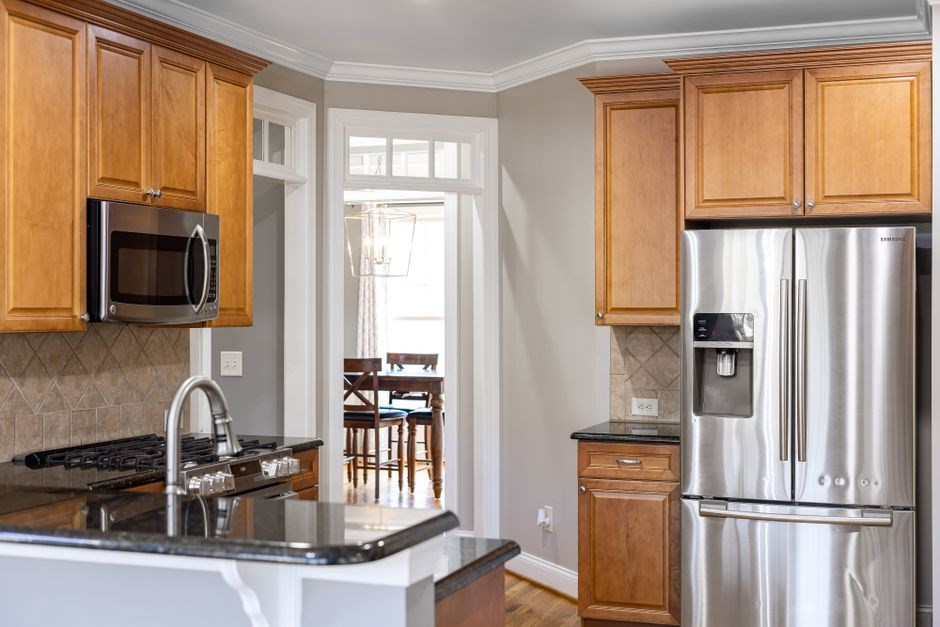
The Samsung RS22HDHPNSR refrigerator requires a dedicated 120‑V, 20‑A circuit with a grounded outlet․ Ensure the power cord is free of damage and not kinked․ Do not use extension cords or power strips; connect directly to the wall․ Verify that the circuit breaker is rated for the appliance’s maximum load․ Before installation, check that the outlet’s receptacle is properly wired and the neutral and ground are correctly connected․ When unplugging, first turn off the appliance at the wall switch or breaker, then press the power button to fully shut down․ Avoid touching the metal parts of the appliance while it is powered on․ Keep the area around the refrigerator free of flammable materials and ensure adequate clearance for airflow․ In case of a power surge, use a surge protector rated for household appliances․ If the appliance displays a fault code or the indicator lights remain on after a power outage, contact a qualified service technician․ Never attempt to repair electrical components yourself․ Follow all local electrical codes and regulations․ The user manual provides detailed wiring diagrams and safety warnings․ Adhering to these precautions helps prevent electric shock, fire hazards, and ensures the longevity of the refrigerator․ Always use a GFCI outlet in damp locations․ Inspect the cord for wear before each use․ If the cord shows fraying, replace it immediately․ Keep the refrigerator level to maintain proper compressor function․ The manual also advises against using the appliance during severe storms unless the power supply is stable․ For any electrical fault, shut off the breaker before inspecting․
Handling and Storage
When moving the Samsung RS22HDHPNSR, use a dolly or hand truck and keep the unit upright to avoid damaging the compressor․ Secure the refrigerator with straps to prevent tipping during transport․ Before placing in a new location, allow the appliance to rest for at least 2 hours after moving, so the coolant can settle․ Keep the door open slightly to prevent condensation buildup․ Avoid stacking heavy objects on top of the fridge; the weight can compress the door seals and damage the compressor․ When storing the refrigerator for an extended period, disconnect the power cord, drain the water reservoir, and wipe the interior with a mild detergent․ Cover the unit with a breathable cloth to protect from dust while allowing airflow․ Ensure the storage area is dry and temperature‑controlled; extreme cold or heat can cause internal components to degrade․ For long‑term storage, remove the door panels if possible, and store them separately to prevent warping․ Keep the refrigerator away from direct sunlight and chemical fumes․ When reinstalling, check that the unit is level and that the drain pan is correctly positioned․ Follow the manufacturer’s instructions for reconnecting the water line and the power supply․ Proper handling and storage extend the appliance’s lifespan and maintain its energy efficiency․ The manual advises keeping the fridge away from heat sources, allowing at least 3 inches clearance on all sides for ventilation․ Inspect door seals regularly and replace if worn․ Avoid overloading shelves․ Keep the interior clean․

Installation Guide
Place the Samsung RS22HDHPNSR on a level floor, leaving 3‑inch clearance around․ Connect the water line to the fridge’s inlet, ensuring the valve is closed․ Attach the power cord to a grounded outlet․ Allow the unit to idle 30 minutes before use․ Keep it level․ For cooling
Location Requirements
Before installing the Samsung RS22HDHPNSR, ensure the appliance is placed on a flat, stable surface․ The floor must be level to prevent vibration and maintain proper airflow․ Keep a minimum clearance of 3 inches (7․6 cm) on all sides, especially behind and beneath the unit, to allow air circulation and facilitate maintenance․ The refrigerator should be positioned away from direct sunlight, heat sources, or radiators, as excessive heat can compromise cooling efficiency and increase energy consumption․ Avoid placing the unit in damp or humid areas; condensation can damage electrical components․ Ensure the surrounding temperature does not exceed 95 °F (35 °C) and the humidity stays below 60 %․ The RS22HDHPNSR requires a dedicated 120‑V, 60‑Hz outlet with a grounded plug․ The outlet should be free of obstructions and located within 12 inches of the appliance to minimize cable strain․ Verify that the power cord is not exposed to moisture or sharp edges․ Additionally, install a water supply line with a shut‑off valve and a 1‑inch hose fitting․ The water line should be routed to avoid kinks and should not be placed in a location that could freeze․ Finally, keep the area around the refrigerator free of clutter to allow the built‑in exhaust fans to operate efficiently․ Following these guidelines will help maintain optimal performance and extend the appliance’s lifespan․ Ensure proper ventilation!!!․
Connecting Power
Before powering the Samsung RS22HDHPNSR, verify that the outlet is rated for 120 V, 60 Hz, and is properly grounded․ The refrigerator’s power cord should be free of damage, with no exposed wires or frayed insulation․ Avoid using extension cords or power strips; connect directly to a dedicated receptacle to prevent voltage drops and overheating․ The plug type is a standard NEMA 5‑15P, compatible with most North American outlets․ Ensure the outlet’s face plate is intact and the receptacle is not loose; a loose connection can cause arcing and pose a fire hazard․ If the refrigerator is installed in a location where the outlet is recessed or in a wall that may be subject to moisture, use a GFCI (Ground‑Fault Circuit Interrupter) to provide extra protection against electrical shock․ The RS22HDHPNSR’s internal wiring is designed to handle a maximum current of 5 A; exceeding this can trip the breaker or damage the appliance․ Do not use a higher voltage supply, as the unit is not rated for 240 V․ When connecting, first turn off the main circuit breaker or unplug the appliance, then plug in the power cord․ After connecting, allow the refrigerator to stabilize for at least 30 minutes before loading food․ This waiting period ensures the compressor has reached operating temperature and prevents condensation buildup․ Finally, inspect the cord and outlet after each service or if any signs appear; replace any damaged components immediately to maintain safe operation․ Always check outlet voltage with multimeter before use․

Operating Instructions

Set the fridge and freezer temperatures using the digital display․ Press the Fridge button to adjust between 44 °F and 34 °F, and the Freezer button for 32 °F to 0 °F․ Use the Power‑Cool button for rapid cooling, and the Auto‑Freeze for optimal preservation․ Keep door closed to maintain temperature
Using the Control Panel
Press the main power button to turn on the unit; the digital display will light up; Use the fridge and freezer temperature dials to set desired temperatures․ The plus (+) and minus (–) buttons adjust the setting․ Press the Power‑Cool
Temperature Settings
The Samsung RS22HDHPNSR allows precise temperature control for both the fridge and freezer compartments, ensuring optimal food preservation and energy efficiency․ The fridge temperature range is set between 44 °F (7 °C) and 34 °F (1 °C), while the freezer can be adjusted from 32 °F (0 °C) down to 0 °F (–18 °C)․ To adjust the fridge temperature, press the fridge button on the control panel, then use the plus (+) or minus (–) buttons to fine‑tune the setting․ The display will show the current temperature in °F or °C, depending on your unit preference․ The freezer temperature can be set by pressing the freezer button and selecting a value between 32 °F (0 °C) and 0 °F (–18 °C)․ Lowering the freezer temperature increases the cooling speed but also raises power consumption․ The manual recommends setting the fridge to 38 °F (3 °C) for optimal freshness and safety and the freezer to 0 °F (–18 °C) for maximum preservation․ Adjustments should be made gradually to avoid temperature shocks that can damage stored items․ When using the power‑cool feature, the fridge will temporarily increase cooling to quickly reduce the internal temperature․ This function is useful after a door is left open for a short period or when adding a large quantity of warm food․ The display shows the humidity level in the freezer, below 60 % to prevent frost buildup․ If the indicator rises above 70 %, consider adjusting the temperature or cleaning the coils․
Maintenance & Troubleshooting
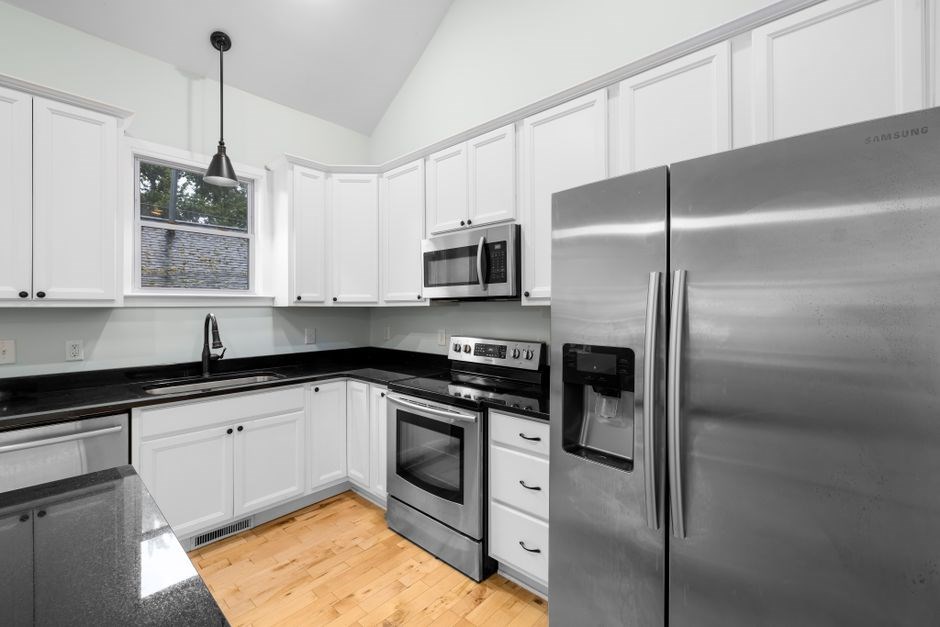
Regular cleaning of condenser coils, defrosting, and checking door seals prevent frost buildup and maintain efficiency; If the fridge runs hot, verify airflow and ensure vents are unobstructed․ For unusual noises, inspect fan bearings and replace if worn․Check seal․
Cleaning and Drainage
To keep the Samsung RS22HDHPNSR operating efficiently, perform a thorough cleaning routine every month․ Start by unplugging the unit and removing all food items․ Wipe the interior walls, shelves, and drawers with a mild detergent solution, ensuring that no residue remains on the surfaces․ Pay special attention to the evaporator coils located behind the back panel; use a soft brush or a vacuum with a brush attachment to remove dust buildup that can impede airflow․ For the drainage system, locate the drain pan beneath the refrigerator compartment․ Gently lift the pan and pour a small amount of warm water with vinegar to dissolve any accumulated grime․ After cleaning, replace the pan securely and close the door to allow the unit to re‑establish proper humidity levels․ Regularly inspect the drain tube for blockages; a simple cotton swab can help clear any obstructions․ Maintaining a clean drain prevents mold growth and ensures the fridge runs quietly and efficiently․ Before each cleaning cycle, check the door gasket for cracks or tears; replace it if necessary to maintain an airtight seal․ Also, inspect the water filter (if equipped) and replace it every six months to avoid mineral buildup․ Finally, run a short cycle with the fridge door closed to ensure that the compressor and fans are functioning properly after cleaning!!!
Common Issues and Fixes
Temperature not maintaining: Verify the thermostat settings are correct and the door seals are intact․ Check it․ Ok
Compressor not starting: Check the power supply and ensure the unit is properly grounded․ A tripped circuit breaker or blown fuse will prevent the compressor from engaging․ If the compressor clicks repeatedly, the start relay may be faulty and needs replacement․ CheckOk․
Water leakage: Inspect the drain tube for kinks or clogs․ A clogged tube can cause water to back up into the refrigerator․ Clear the tube with a flexible brush or a small amount of warm vinegar․ Also, confirm the water filter is seated correctly; a loose filter can leak․ Check the fan motor․ Inspect compressor․
Unusual noises: A rattling sound often indicates loose shelves or a misaligned door․ Tighten any screws and adjust the door hinges․ A humming noise may signal a failing fan motor; replace the motor if it no longer spins․
Error codes: Refer to the user manual’s error code chart․ For example, code “E01” usually means a sensor failure․ Reset the unit by unplugging it for 60 seconds, then reconnect․ If the code persists, contact Samsung service for a diagnostic․
Ice buildup in the freezer: Ensure the freezer door closes fully and the gasket is not damaged․ If ice accumulates, defrost the unit manually and clean the drain pan; Persistent buildup may indicate a faulty defrost heater; replace it as needed․